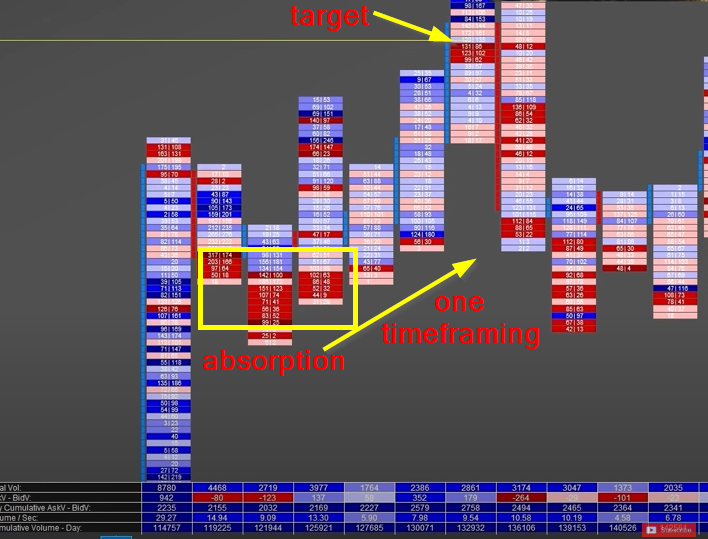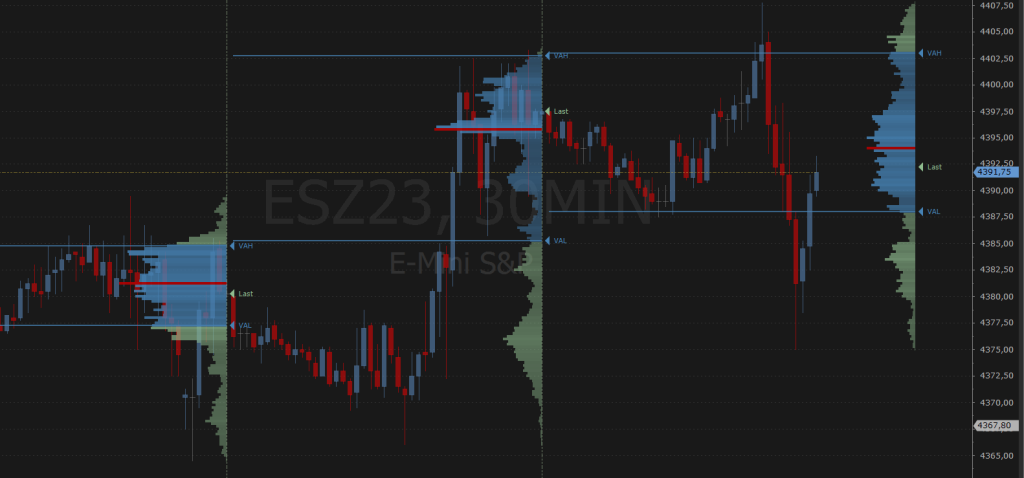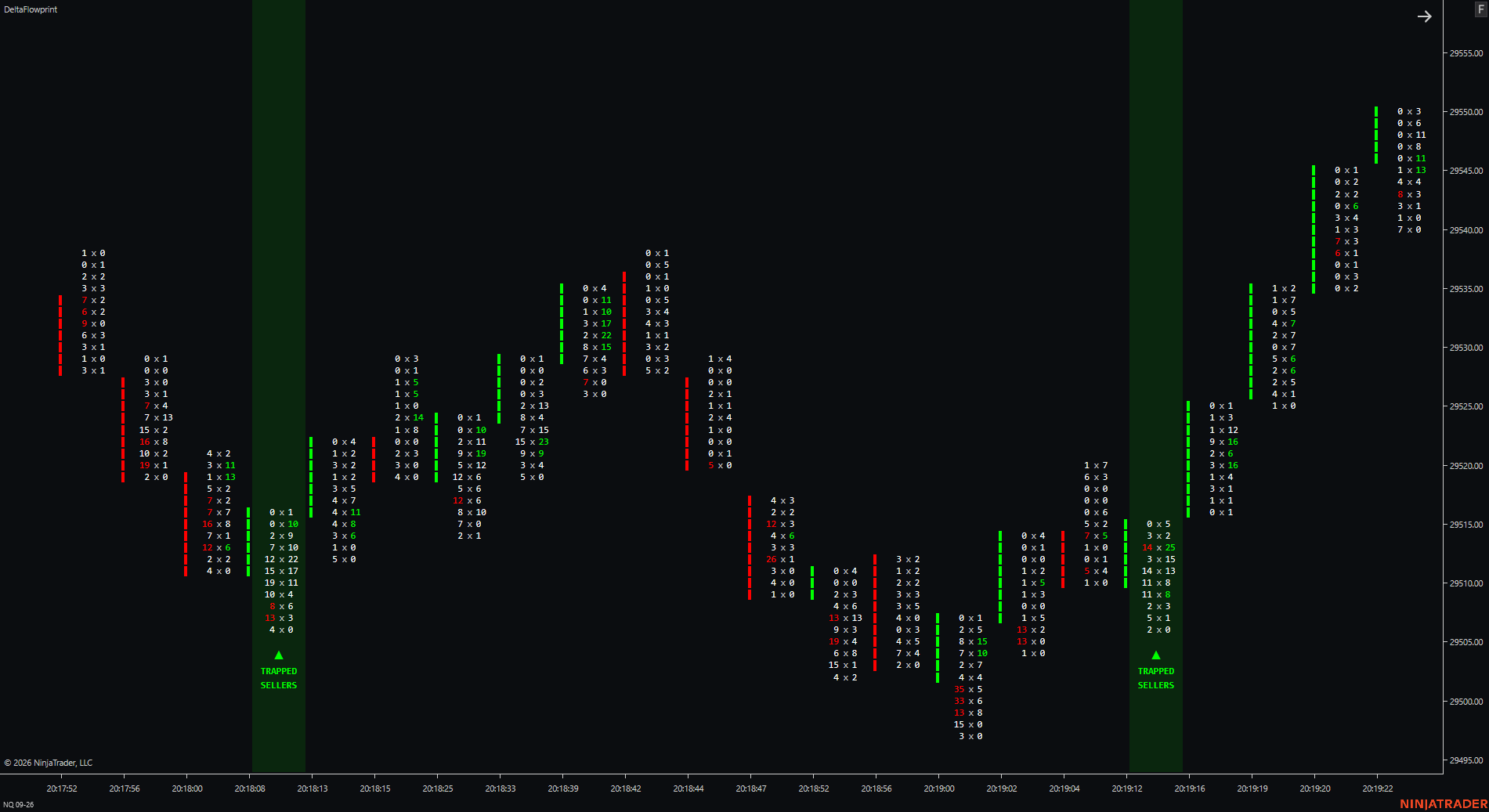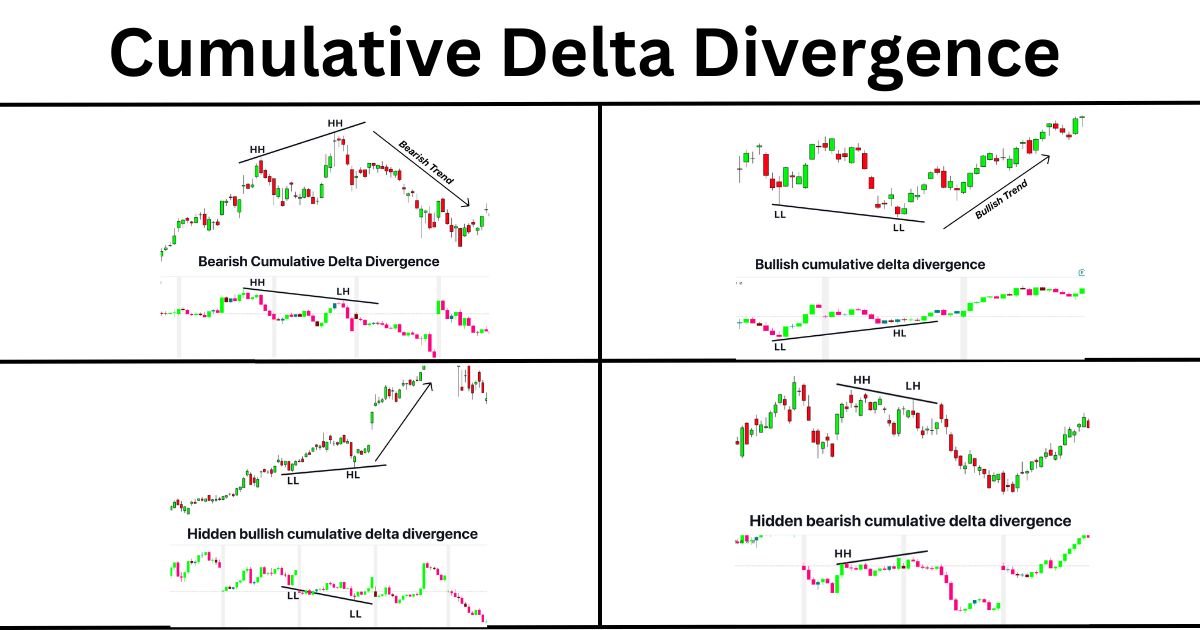
Cumulative delta divergence — price making a new high while cumulative delta fails to — gets treated as a near-mechanical reversal signal in a lot of order flow content. It is not. It is a real edge with a real failure mode, and the difference between the two is filterable.
Why divergence happens
Cumulative delta resets each session and accumulates net aggressive volume bar by bar. When price grinds to a new high on progressively smaller net buying, it means the move is being carried by fewer aggressive buyers relative to what pushed the prior high — a genuine change in participation.
Why it fails
Divergence also appears constantly during slow, low-volume grinds where nobody is aggressive on either side. In that context, the "divergence" is just the absence of participation, not a warning sign — and fading it produces the choppy, low-quality trades that give cumulative delta its noisy reputation.
The filter: check the volume, not just the delta
Genuine divergence worth acting on shows total volume holding steady or rising into the new high even as net delta shrinks — meaning real two-sided battle is happening and the aggressive side is losing ground. If total volume is falling alongside delta, that is a quiet market, not a trapped one, and the setup should be skipped.
Putting it together
Use the Cumulative Delta row in the Summary Table alongside the Volume row directly below it. The divergence is only actionable when volume says the market is still fighting for the level.